Engage with Innovative Solutions
Welcome to the realm of possibilities presented by Elegant Mathematics. Discover our array of ready-made solutions designed to meet the highest standards of quality and technical advancement.
1. Accelerate with Ready-Made Solutions
Minimize development time by choosing from our ready-made solutions, adaptable to your needs within just 3-4 months:
1.1. Modules for Automated Microscopy and Biological Analysis
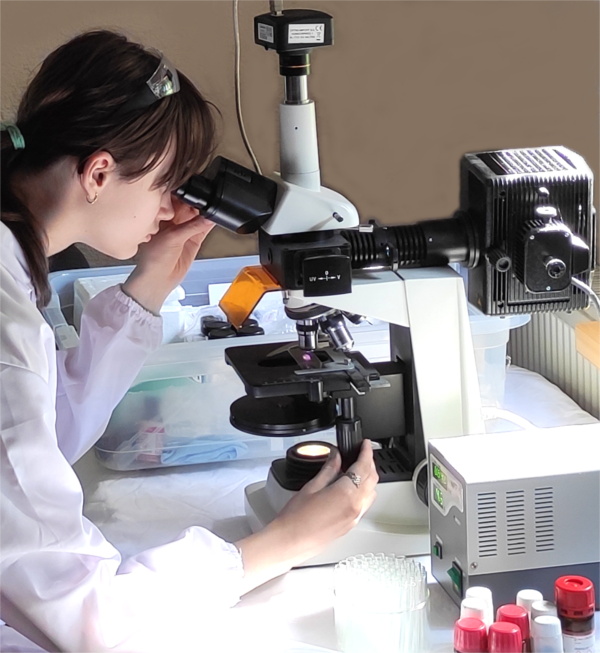
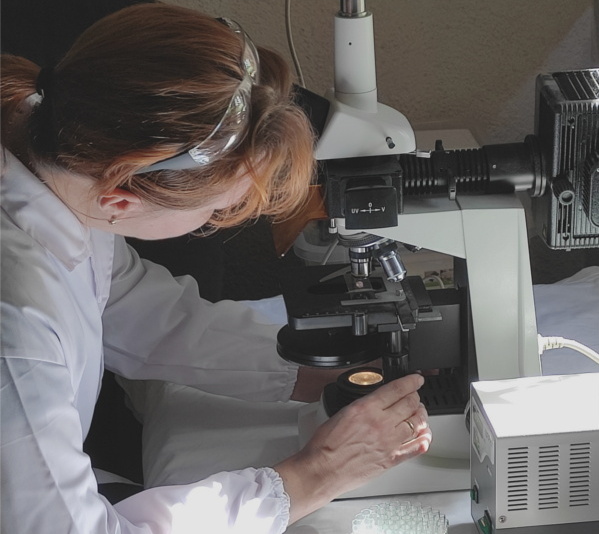
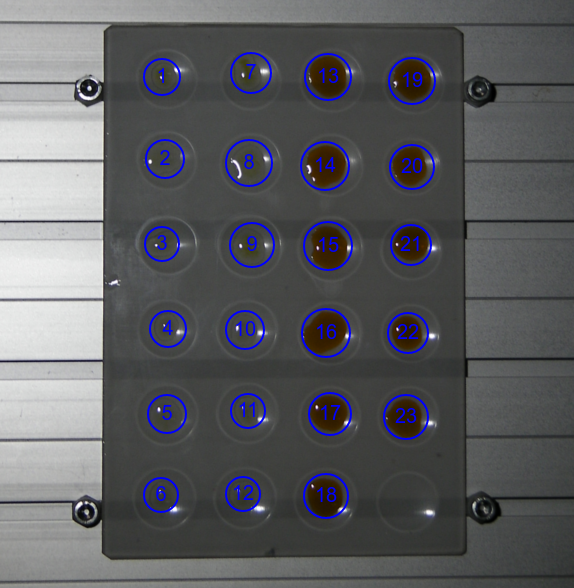
Uncover the hidden details of biological specimens with our cutting-edge Modules for Automated Microscopy. These modules integrate advanced imaging technology with powerful statistical analysis, enabling you to extract valuable insights from complex biological samples. From particle size distribution analysis to intricate statistical evaluations, our modules empower you to push the boundaries of scientific discovery. Let our technology illuminate the microscopic world and unveil the secrets it holds.
1.2. Auto Samplers
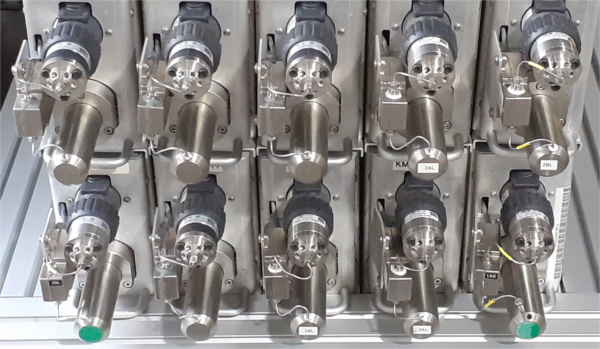
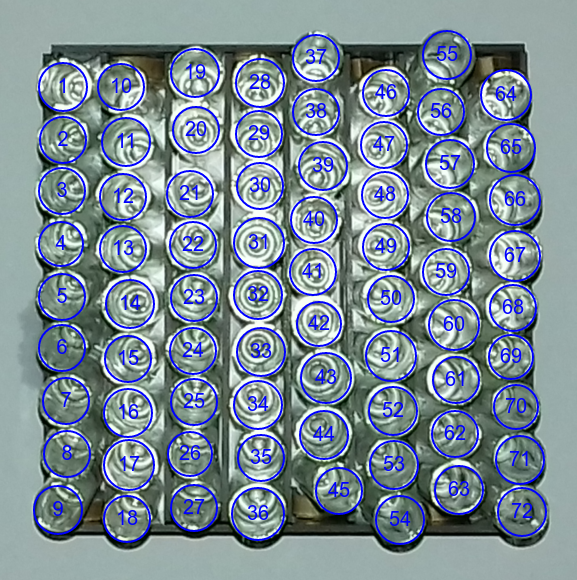
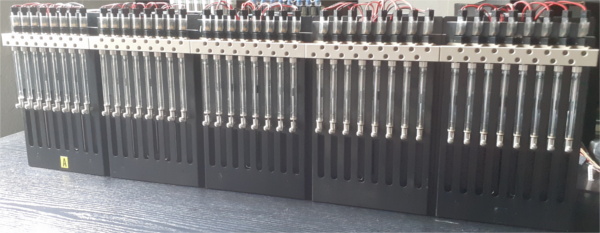
Are you looking to streamline sample handling and processing? Our Auto Samplers are meticulously designed to enhance efficiency and accuracy in your laboratory workflow. These automated systems are capable of handling a wide range of sample types and sizes. Through precise automation, we ensure consistent and reproducible results, significantly reducing human error and freeing up valuable time for your team. Whether it's in the field of chemistry, biology, or beyond, our Auto Samplers bring a new level of precision to your scientific endeavors.
1.3. Turbo Molecular Pump Control Modules
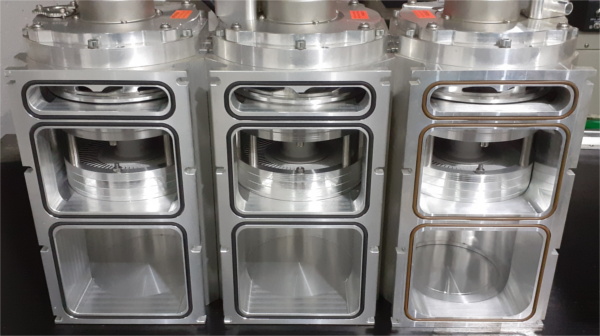
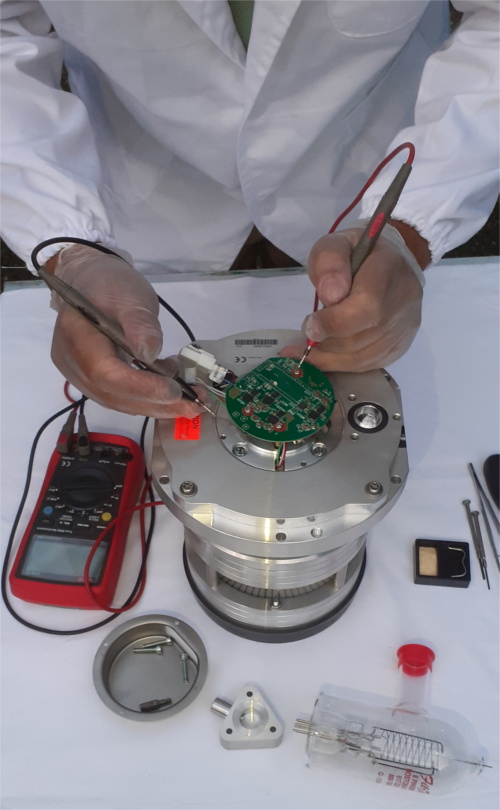
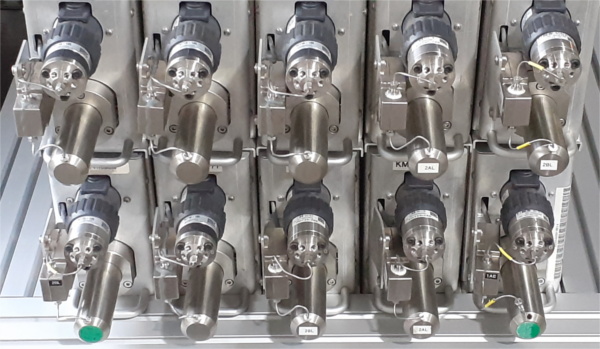
In the realm of vacuum technology, our Turbo Molecular Pump Control Modules stand as paragons of precision and control. These modules provide comprehensive management of turbo molecular pumps, ensuring optimal performance and longevity. With sophisticated algorithms and real-time monitoring, these modules regulate pressure, temperature, and other critical parameters, maintaining a stable and controlled vacuum environment. Experience peak efficiency and reliability in your vacuum systems with our Turbo Molecular Pump Control Modules.
1.4. Precision Voltage Control for Mass Spectrometers
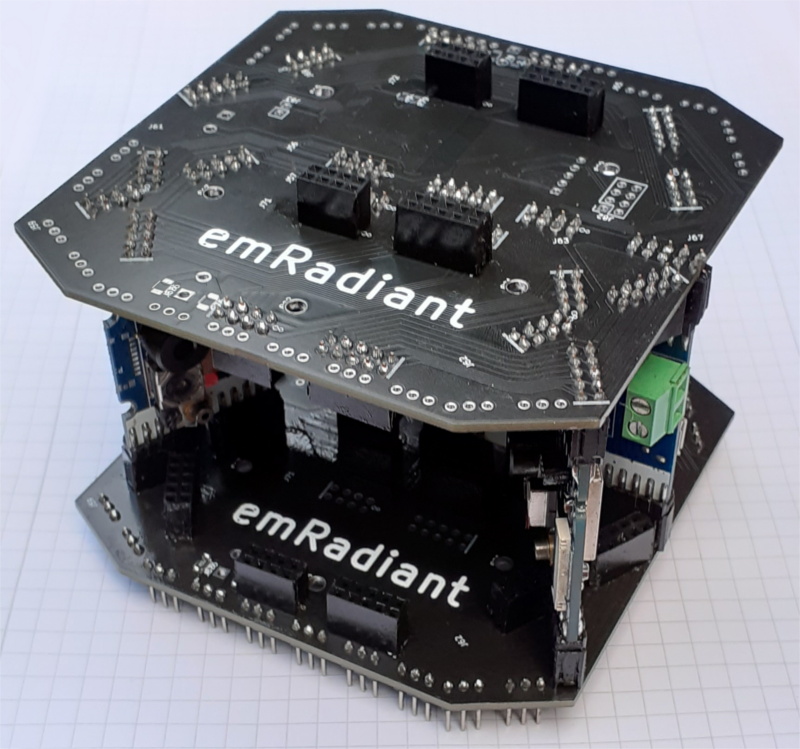
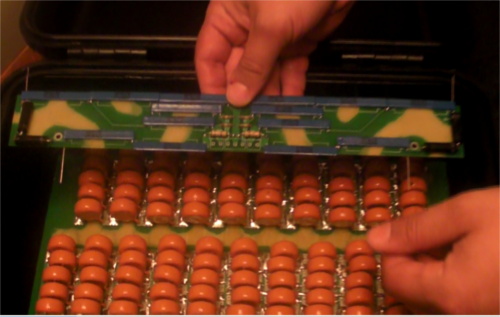
Elevate your mass spectrometry experiments to unprecedented accuracy with our Precision Voltage Control Modules. Offering the ability to precisely manipulate voltage within the microsecond range, these modules redefine the capabilities of your mass spectrometers. With programmable waveform shaping and synchronization across multiple channels, our technology enables you to achieve exceptional precision in ionization processes. Take control of your experiments with the utmost confidence and precision.
1.5. Metal Oxide Sensor-Based Monitoring Systems
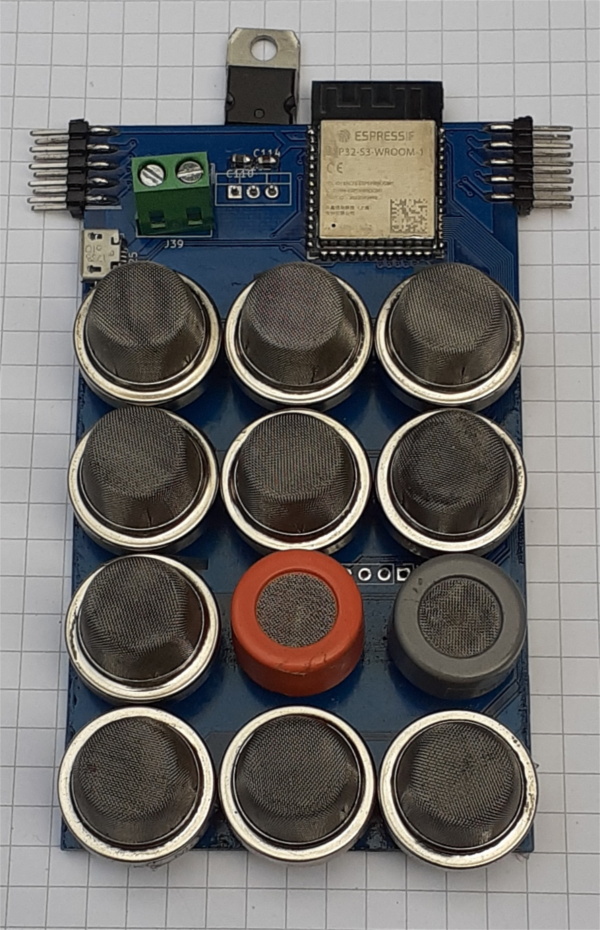
Safeguard your industrial spaces and operations with our Metal Oxide Sensor-Based Monitoring Systems. These cutting-edge systems utilize advanced metal oxide sensors to detect and identify industrial gases and leaks in real-time. From gas concentration monitoring to rapid identification of hazardous substances, our monitoring systems enhance workplace safety and environmental compliance. Gain real-time insights and ensure a secure working environment with our Metal Oxide Sensor-Based Monitoring Systems.
2. Key Solutions for Ambitious Goals
For more extensive requirements, our range of products is available within 6-8 months, meticulously tailored to your exacting demands:
2.1. High-Voltage Blocks for Radiochemistry
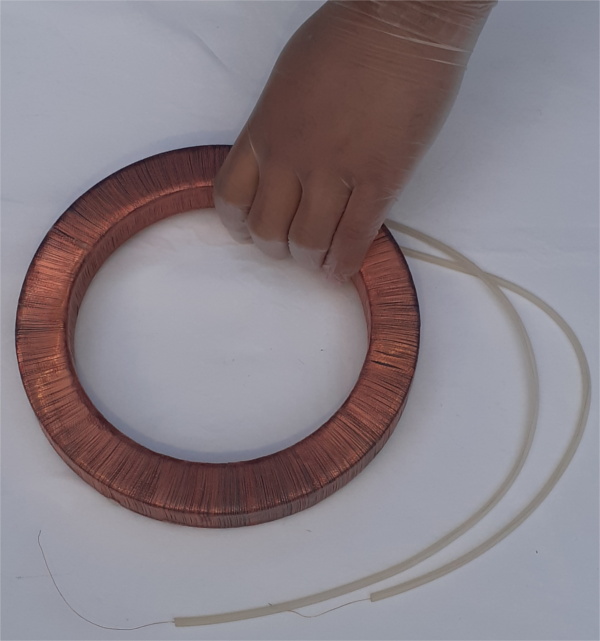
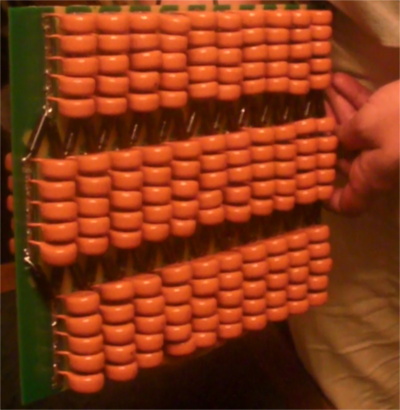
Are you embarking on ventures that demand unparalleled precision and control over high-voltage processes? Our High-Voltage Blocks for Radiochemistry are engineered to meet the most demanding requirements of your radiochemical applications. With voltage ranges reaching up to 100 kV, these specialized blocks ensure reliable and stable performance under extreme conditions. Whether it's in nuclear research, particle acceleration, or experimental setups requiring high-voltage components, our blocks empower you with a crucial edge in your endeavors. Count on our expertise to deliver the high-voltage solutions you need for success.
2.2. Mechanical Drive and Control Systems
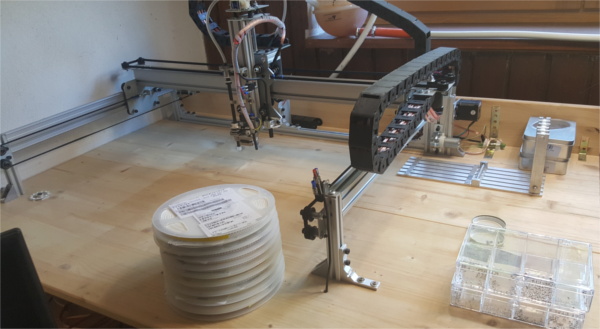
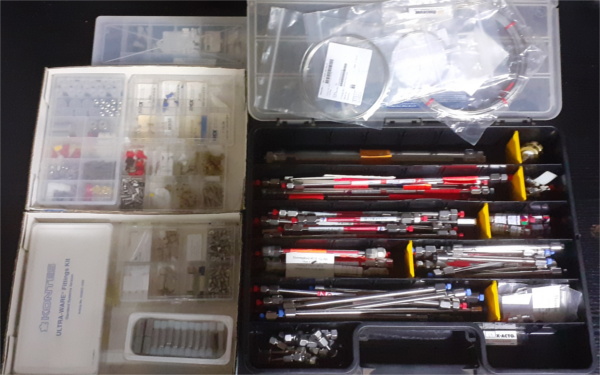
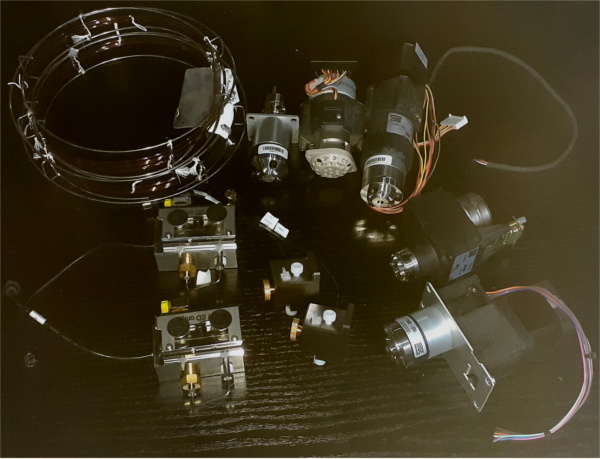
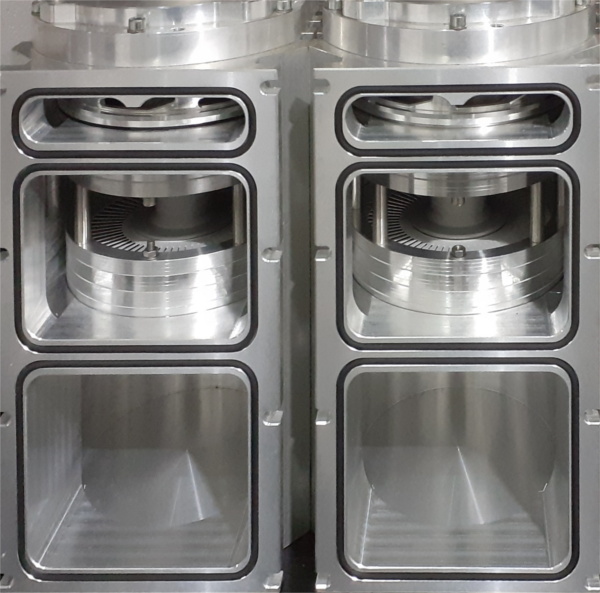
From chromatography to mass spectrometry, the heart of precision lies in meticulous mechanical control. Our Mechanical Drive and Control Systems offer a symphony of precision engineering, enabling you to orchestrate movements with utmost accuracy. These systems seamlessly integrate with various scientific instruments, providing smooth and reliable mechanical drives for diverse applications. Paired with sophisticated control software, our systems grant you the power to fine-tune and optimize experimental setups with ease. Elevate your mechanical precision and embark on a new era of experimental mastery.
3. Boldly Embrace the Future with Us
In 12 to 15 months, we offer integrated solutions capable of truly transforming your business:
3.1. Comprehensive Chemical Platforms
Experience chemistry on a whole new level with our Comprehensive Chemical Platforms. These platforms encompass a range of advanced tools, equipment, and technologies that streamline complex chemical processes. From intricate synthesis to precise analysis, our platforms empower chemists and researchers to push boundaries and unlock new frontiers of discovery. With integrated automation, real-time monitoring, and precise control over critical parameters, our platforms offer a holistic solution for ambitious chemical endeavors. Unleash the potential of chemistry with our Comprehensive Chemical Platforms.
3.2. Advanced Comprehensive Mass Spectrometry Systems
Dive into the future of analytical chemistry with our Advanced Comprehensive Mass Spectrometry Systems. Harnessing our innovative modules and cutting-edge ionization technology, these systems deliver unprecedented levels of performance and insight. The heart of our systems lies in a reference database boasting 1.7 billion spatial conformers from 102 million known small molecules (www.multi-d.com). This expansive knowledge base fuels your ability to analyze, identify, and understand complex molecular structures with exceptional accuracy. Step into the realm of advanced mass spectrometry and redefine the boundaries of molecular analysis.
3.3. Unique Positioning and Inspection Systems
Navigate the realms of inspection and exploration like never before with our Unique Positioning and Inspection Systems. These systems are born from the fusion of computer vision, thermal imaging, and gas sensors, offering an autonomous and operator-free solution for inspections in radiation-prone and toxic environments. Equipped with the intelligence to maneuver through challenging industrial spaces, these systems redefine inspection methodologies. Embrace unparalleled efficiency and safety in your inspection processes and pave the way for cost-effective and thorough industrial assessments.
We're always open to discussing your unique challenges and offering solutions customized to you. It's entirely possible that the ideal solution already exists in our repertoire, ready to elevate your business with new levels of efficiency and innovation.
Join Elegant Mathematics and unlock limitless horizons of technical progress. Together, we will breathe life into your boldest ideas.
Mit innovativen Lösungen in Kontakt treten
Willkommen in der Welt der Möglichkeiten, die Elegant Mathematics bietet. Entdecken Sie unsere Vielzahl von vorgefertigten Lösungen, die höchsten Qualitäts- und technischen Standards gerecht werden.
1. Beschleunigen Sie mit vorgefertigten Lösungen
Minimieren Sie die Entwicklungszeit, indem Sie aus unseren vorgefertigten Lösungen auswählen, die sich innerhalb von nur 3-4 Monaten an Ihre Bedürfnisse anpassen lassen:
1.1. Module für automatisierte Mikroskopie und biologische Analyse
Entdecken Sie die verborgenen Details biologischer Proben mit unseren modernen Modulen für automatisierte Mikroskopie. Diese Module integrieren fortschrittliche Bildgebungstechnologie mit leistungsstarker statistischer Analyse und ermöglichen es Ihnen, wertvolle Erkenntnisse aus komplexen biologischen Proben zu gewinnen. Von der Analyse der Partikelgrößenverteilung bis zu komplexen statistischen Auswertungen ermöglichen Ihnen unsere Module, die Grenzen der wissenschaftlichen Entdeckung zu erweitern. Lassen Sie unsere Technologie die mikroskopische Welt erhellen und ihre Geheimnisse enthüllen.
1.2. Automatische Probenehmer
Möchten Sie den Umgang mit Proben in Ihrem Labor optimieren? Unsere automatischen Probenehmer sind sorgfältig entwickelt, um Effizienz und Genauigkeit in Ihrem Laborworkflow zu steigern. Diese automatisierten Systeme sind in der Lage, eine Vielzahl von Probentypen und -größen zu verarbeiten. Durch präzise Automatisierung gewährleisten wir konsistente und reproduzierbare Ergebnisse, wodurch menschliche Fehler erheblich reduziert und wertvolle Zeit für Ihr Team freigesetzt wird. Egal, ob in den Bereichen Chemie, Biologie oder darüber hinaus - unsere automatischen Probenehmer bringen ein neues Maß an Präzision in Ihre wissenschaftlichen Unternehmungen.
1.3. Steuerungsmodule für Turbomolekularpumpen
Im Bereich der Vakuumtechnologie stehen unsere Steuerungsmodule für Turbomolekularpumpen für Präzision und Kontrolle. Diese Module bieten umfassendes Management turbomolekularer Pumpen und gewährleisten optimale Leistung und Lebensdauer. Mit ausgefeilten Algorithmen und Echtzeitüberwachung regeln diese Module Druck, Temperatur und andere wichtige Parameter und erhalten so eine stabile und kontrollierte Vakuumumgebung. Erleben Sie Höchstleistung und Zuverlässigkeit in Ihren Vakuumsystemen mit unseren Steuerungsmodulen für Turbomolekularpumpen.
1.4. Präzisions-Spannungsregelung für Massenspektrometer
Heben Sie Ihre Massenspektrometrie-Experimente auf beispiellose Genauigkeit mit unseren Präzisions-Spannungsregelungsmodulen. Mit der Fähigkeit zur präzisen Manipulation der Spannung im Mikrosekundenbereich definieren diese Module die Möglichkeiten Ihrer Massenspektrometer neu. Mit programmierbarer Wellenformgestaltung und Synchronisation über mehrere Kanäle ermöglicht Ihnen unsere Technologie außergewöhnliche Präzision bei Ionisierungsprozessen. Übernehmen Sie die Kontrolle über Ihre Experimente mit größtem Vertrauen und Präzision.
1.5. Metalloxidsensorbasierte Überwachungssysteme
Schützen Sie Ihre industriellen Räume und Operationen mit unseren metalloxidsensorbasierten Überwachungssystemen. Diese modernen Systeme verwenden fortschrittliche Metalloxidsensoren, um industrielle Gase und Lecks in Echtzeit zu erkennen und zu identifizieren. Von der Überwachung der Gaskonzentration bis zur schnellen Identifizierung gefährlicher Substanzen verbessern unsere Überwachungssysteme die Arbeitssicherheit und die Umweltverträglichkeit. Gewinnen Sie Echtzeit-Einblicke und stellen Sie eine sichere Arbeitsumgebung mit unseren metalloxidsensorbasierten Überwachungssystemen sicher.
2. Schlüssellösungen für ambitionierte Ziele
Für umfangreichere Anforderungen stehen unsere Produkte innerhalb von 6-8 Monaten zur Verfügung, sorgfältig auf Ihre anspruchsvollen Anforderungen zugeschnitten:
2.1. Hochspannungsblöcke für Radiochemie
Unternehmen Sie Projekte, die beispiellose Präzision und Kontrolle über Hochspannungsprozesse erfordern? Unsere Hochspannungsblöcke für Radiochemie sind darauf ausgelegt, die anspruchsvollsten Anforderungen Ihrer radiochemischen Anwendungen zu erfüllen. Mit Spannungsbereichen von bis zu 100 kV gewährleisten diese spezialisierten Blöcke eine zuverlässige und stabile Leistung unter extremen Bedingungen. Ob in der Kernforschung, Teilchenbeschleunigung oder experimentellen Aufbauten, die Hochspannungsbausteine verleihen Ihren Vorhaben einen entscheidenden Vorteil. Verlassen Sie sich auf unsere Expertise, um die Hochspannungslösungen zu liefern, die Sie für Ihren Erfolg benötigen.
2.2. Mechanische Antriebs- und Steuersysteme
Von der Chromatographie bis zur Massenspektrometrie liegt das Herz der Präzision in der sorgfältigen mechanischen Steuerung. Unsere mechanischen Antriebs- und Steuersysteme bieten eine Symphonie der Präzisionsingenieurkunst und ermöglichen es Ihnen, Bewegungen mit höchster Genauigkeit zu orchestrieren. Diese Systeme integrieren sich nahtlos in verschiedene wissenschaftliche Instrumente und bieten reibungslose und zuverlässige mechanische Antriebe für vielfältige Anwendungen. In Verbindung mit anspruchsvoller Steuerungssoftware geben Ihnen unsere Systeme die Möglichkeit, experimentelle Aufbauten mühelos feinzutunen und zu optimieren. Steigern Sie Ihre mechanische Präzision und starten Sie eine neue Ära der experimentellen Meisterschaft.
3. Mutig die Zukunft mit uns gestalten
In 12 bis 15 Monaten bieten wir integrierte Lösungen, die in der Lage sind, Ihr Unternehmen wirklich zu transformieren:
3.1. Umfassende chemische Plattformen
Erleben Sie Chemie auf einer völlig neuen Ebene mit unseren umfassenden chemischen Plattformen. Diese Plattformen umfassen eine Reihe fortschrittlicher Werkzeuge, Ausrüstungen und Technologien, die komplexe chemische Prozesse optimieren. Von aufwendiger Synthese bis hin zur präzisen Analyse ermöglichen unsere Plattformen Chemikern und Forschern, Grenzen zu überschreiten und neue Entdeckungsbereiche zu erschließen. Mit integrierter Automatisierung, Echtzeitüberwachung und präziser Kontrolle über kritische Parameter bieten unsere Plattformen eine ganzheitliche Lösung für ambitionierte chemische Vorhaben. Entfesseln Sie das Potenzial der Chemie mit unseren umfassenden chemischen Plattformen.
3.2. Fortgeschrittene umfassende Massenspektrometriesysteme
Tauchen Sie ein in die Zukunft der analytischen Chemie mit unseren fortgeschrittenen umfassenden Massenspektrometriesystemen. Mit unseren innovativen Modulen und modernster Ionisationstechnologie bieten diese Systeme unerreichte Leistung und Einblicke. Das Herz unserer Systeme ist eine Referenzdatenbank mit 1,7 Milliarden räumlichen Konformern aus 102 Millionen bekannten kleinen Molekülen (www.multi-d.com). Diese umfangreiche Wissensbasis ermöglicht es Ihnen, komplexe molekulare Strukturen mit außergewöhnlicher Genauigkeit zu analysieren, zu identifizieren und zu verstehen. Betreten Sie die Welt der fortschrittlichen Massenspektrometrie und definieren Sie die Grenzen der molekularen Analyse neu.
3.3. Eindeutige Positionierungs- und Inspektionssysteme
Navigieren Sie wie nie zuvor durch die Bereiche Inspektion und Erkundung mit unseren einzigartigen Positionierungs- und Inspektionssystemen. Diese Systeme entstehen aus der Fusion von Computer Vision, Thermografie und Gassensoren und bieten eine autonome und bedienerfreie Lösung für Inspektionen in strahlengefährdeten und giftigen Umgebungen. Ausgestattet mit der Intelligenz, sich durch anspruchsvolle industrielle Räume zu bewegen, definieren diese Systeme Inspektionsmethoden neu. Nutzen Sie unerreichte Effizienz und Sicherheit in Ihren Inspektionsprozessen und bahnen Sie den Weg für kostengünstige und gründliche industrielle Bewertungen.
Wir sind immer offen für die Diskussion Ihrer einzigartigen Herausforderungen und bieten maßgeschneiderte Lösungen für Sie an. Es ist durchaus möglich, dass die ideale Lösung bereits in unserem Repertoire existiert und bereit ist, Ihr Unternehmen mit neuen Maßstäben in Effizienz und Innovation zu bereichern.
Treten Sie Elegant Mathematics bei und entfesseln Sie grenzenlose Horizonte des technischen Fortschritts. Gemeinsam werden wir Ihre kühnsten Ideen zum Leben erwecken.